On April 5th in Hanoi, a consultation workshop for the "Selex Smart Electric Vehicles Project" was held. This event is the result of a collaboration between PoA Carbon Company and Selex Smart Electric Vehicles Joint Stock Company, funded by the United Nations Development Programme (UNDP). The workshop aimed to gather community feedback on the socio-economic and environmental impacts of the project, especially in the context of the increasing global challenges posed by climate change.
Climate change is one of the most serious issues humanity faces, affecting every aspect of life from the economy and health to security and the environment. Vietnam has set a goal of net-zero emissions by 2050, and the transportation sector is a key to achieving this target. In this context, the adoption of measures such as transitioning transportation modes and using electric vehicles plays a crucial role.
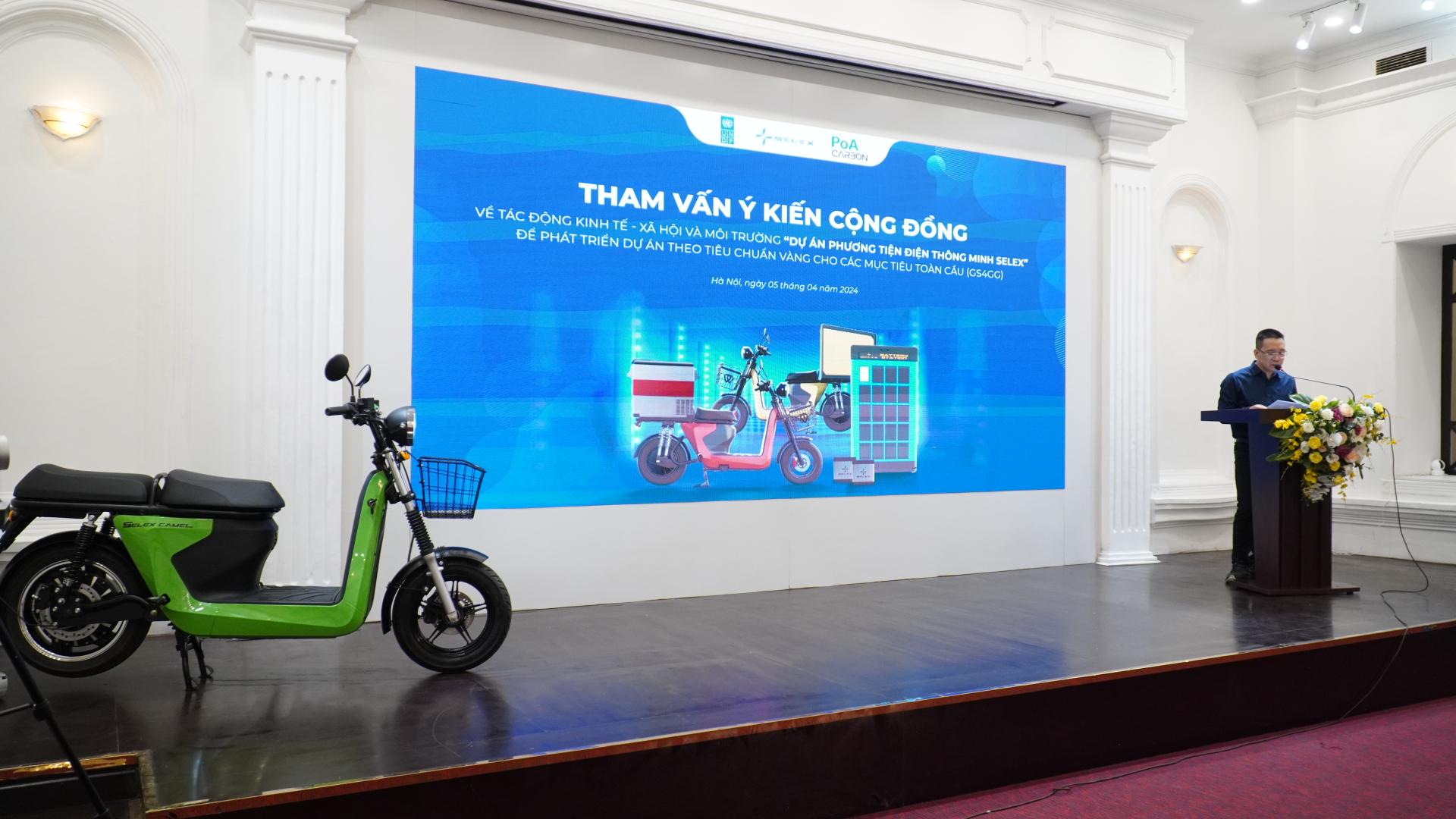
During the workshop, Mr. Nguyen Tien Hai, CEO of PoA Carbon, emphasized the importance of achieving the "net-zero" emissions goal by 2050, a commitment made by Vietnam at the COP26 conference. To reach this goal, the transportation sector - one of the highest emitting sectors - must shift to using electric vehicles and green fuels. Mr. Hai also pointed out that achieving these measures requires support in technology and finance, including a voluntary carbon credit mechanism based on the Gold Standard for Global Goals (GS4GG).
Therefore, the UNDP and Selex Smart Electric Vehicles Co. are collaborating on a project to develop carbon credits for the electric motorbike project. The goal of this project is to reduce CO2 emissions, including the implementation of Article 6.2 of the Paris Agreement.
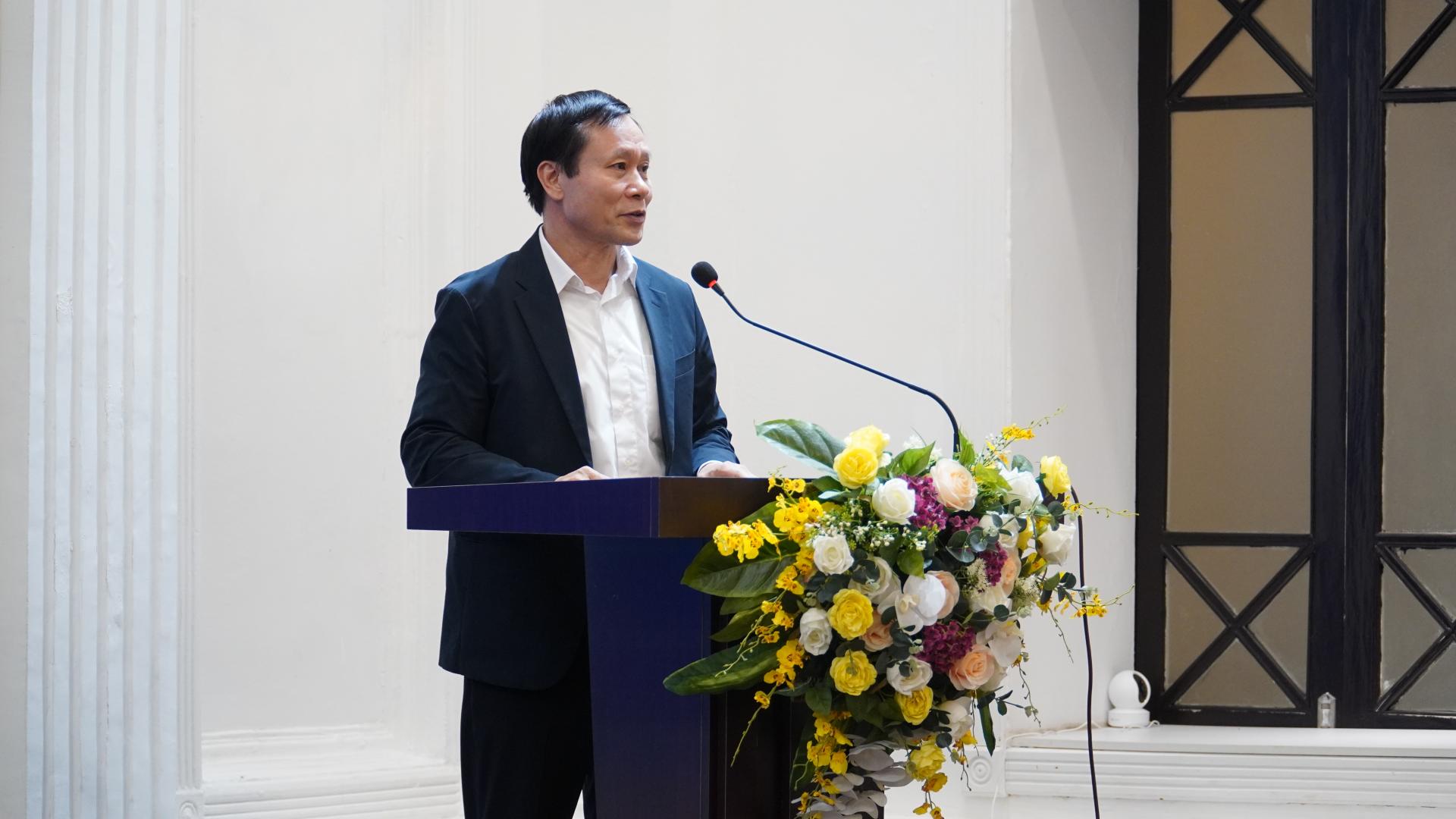
At the workshop, Mr. Dao Xuan Lai, Head of Climate Change and Environment at UNDP Vietnam, shared Vietnam's efforts in emissions reduction and transition to green energy. He also highlighted the significant role of the transportation sector in achieving these targets. A UNDP representative also introduced a pilot project on carbon credits from two-wheel electric vehicles in Vietnam. This is considered as an important step in promoting the use of electric vehicles and reducing emissions in the transportation sector. Finally, Ms. Pham Thuy Trang, a representative from Selex, emphasized the importance of cooperation between companies and the community in driving sustainable and beneficial projects for society and the environment.
In the discussion session, project owner and stakeholders discussed the economic, social and environmental impacts of the project, its alignment with Sustainable Development Goals (SDGs), the SDGs included in project activities, methods for monitoring parameters and calculating results for selected SDGs, carbon credit ownership, gender equality, encouraging women's participation in project activities, mechanisms for collecting and addressing stakeholders' contributions/complaints and questions related to the project and the Gold Standard.
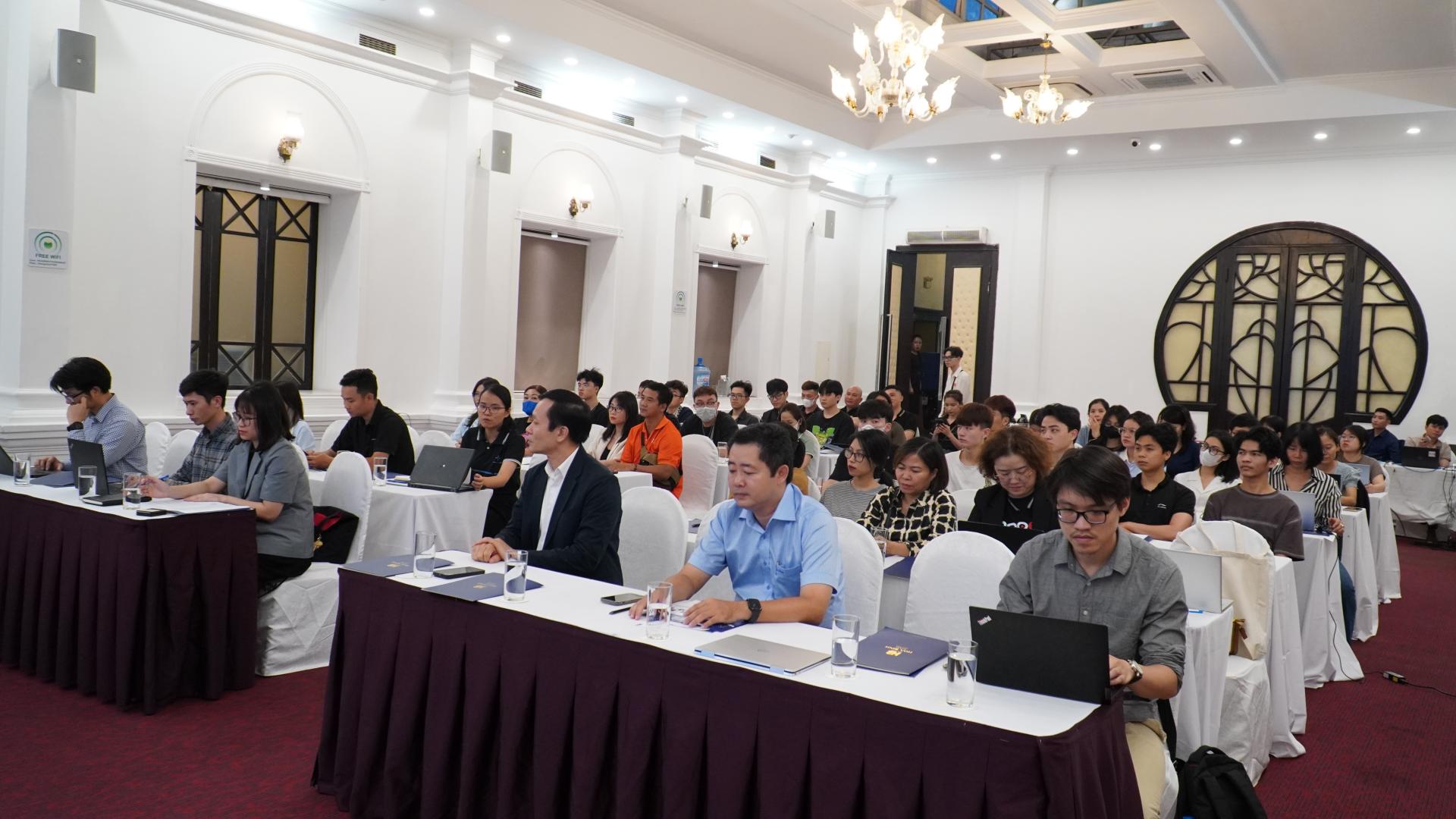
With the wide participation of the community and stakeholders, as well as support from UNDP and the Vietnamese government, the Selex Smart Vehicle project promises to significantly contribute to global efforts to reduce greenhouse gas emissions and fight against climate change, while promoting the development of sustainable transportation in Vietnam.
Nguyen Le Khanh Linh